Few markets give you this many real options.
A buyer looking for a bungalow, a four-bedroom in a newer subdivision, or a luxury estate can all stay inside the Fort Worth city search and still get distinct results.
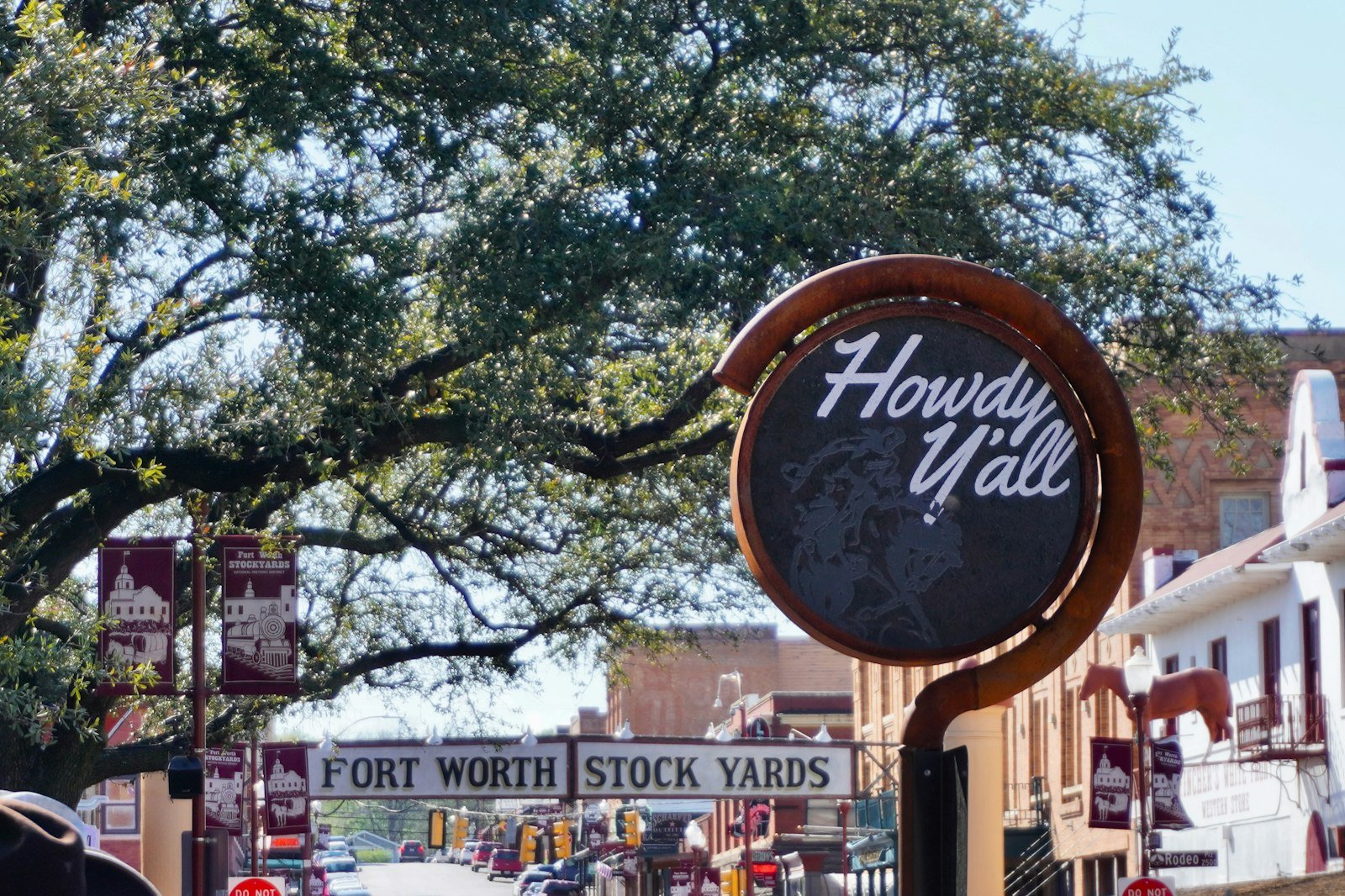
Fort Worth is not one market. It is a collection of neighborhoods, school zones, and lifestyle pockets, which is exactly why local guidance matters here.
Asking prices of active listings, NTREIS MLS, as of October 22, 2026. Drive times are OpenStreetMap routing from downtown Fort Worth without traffic. Sources
Fort Worth is big enough that a citywide median mostly tells you where the middle is. As of October 22, 2026, the 3,692 active listings with a Fort Worth address ask a median of $350,000, and 998 of them list a build year of 2024 or later. Sixteen school districts serve parts of the city. For one west side neighborhood in detail, see our Ridglea guide.
Fort Worth can mean Fairmount, Tanglewood, Westcliff, Westover Hills, north Fort Worth growth corridors, or historic pockets near downtown. That range is the point.
We like Fort Worth for buyers who care about neighborhood fit more than city labels. Some clients want walkability to dining and culture. Others want mature trees, larger lots, or fast freeway access. Fort Worth gives you enough variation to build that search intelligently instead of forcing one suburban template on everyone.
The city also carries real identity. The Stockyards, Cultural District, Sundance Square, Clearfork, west side restaurants, and long-standing neighborhood pride keep Fort Worth from feeling generic, even as it grows.
A buyer looking for a bungalow, a four-bedroom in a newer subdivision, or a luxury estate can all stay inside the Fort Worth city search and still get distinct results.
From the Cultural District to the Stockyards to neighborhood coffee shops, Fort Worth feels lived in and rooted rather than built from scratch.
That matters for commute time, school zones, and the kind of daily routine buyers actually want once the move is done.
Fort Worth usually goes best when buyers stop asking, “Should we be in Fort Worth?” and start asking, “Which part of Fort Worth fits us best?” That is where we can add the most value.
Early-century homes and porches near downtown, with the walkable dining and culture the city is known for.
Six of the areas inside a single Fort Worth search. Pick one to see how the character changes.
As of October 22, 2026, the 3,692 active listings with a Fort Worth address on the NTREIS MLS ask a median of $350,000. The middle half ask between $289,900 and $465,000. These are asking prices of homes for sale, not closed sales.
As of October 22, 2026, active listings in Fort Worth have been on the market a median of 47 days. That figure describes homes still for sale, so it measures the current inventory rather than how fast homes sold.
Sixteen school districts serve parts of the city. Fort Worth ISD covers about 45 percent of the city’s land area, followed by Northwest ISD (about 13 percent), Eagle Mountain-Saginaw ISD (about 10), Crowley ISD (about 8) and Keller ISD (about 7). TEA ratings, final 2025 then preliminary 2026: Fort Worth ISD C and C, Northwest B and B, Eagle Mountain-Saginaw C and C, Crowley C and B, Keller B and B. Check the district for a specific address before you fall for the house.
For tax year 2026, a home in the Tarrant County part of Fort Worth pays the city rate of 0.705650 per $100 plus Tarrant County 0.186000, JPS Health Network (Tarrant County Hospital District) 0.159000 and Tarrant County College 0.120000, for 1.170650 before the school district. Add the school district and the combined rate runs from 2.199749 in Fort Worth ISD and 2.223250 in Hurst-Euless-Bedford ISD to 2.425850 in Crowley ISD and 2.456350 in Eagle Mountain-Saginaw ISD. Parcels inside the Tarrant Regional Water District add 0.027300. Municipal utility districts and public improvement districts add more, and the parts of the city in Denton, Parker, Johnson and Wise counties have different county rates. Homestead and other exemptions lower the taxable value, not the rate.
About 24 miles, roughly 32 minutes without traffic, from 200 Commerce Street downtown to Terminal C. Rush hour adds time.
A lot. As of October 22, 2026, 998 of the 3,692 active listings with a Fort Worth address, about 27 percent, list a build year of 2024 or later.
Tell us what matters most, whether that is schools, character, commute, dining, or lot size, and we will narrow Fort Worth down quickly.