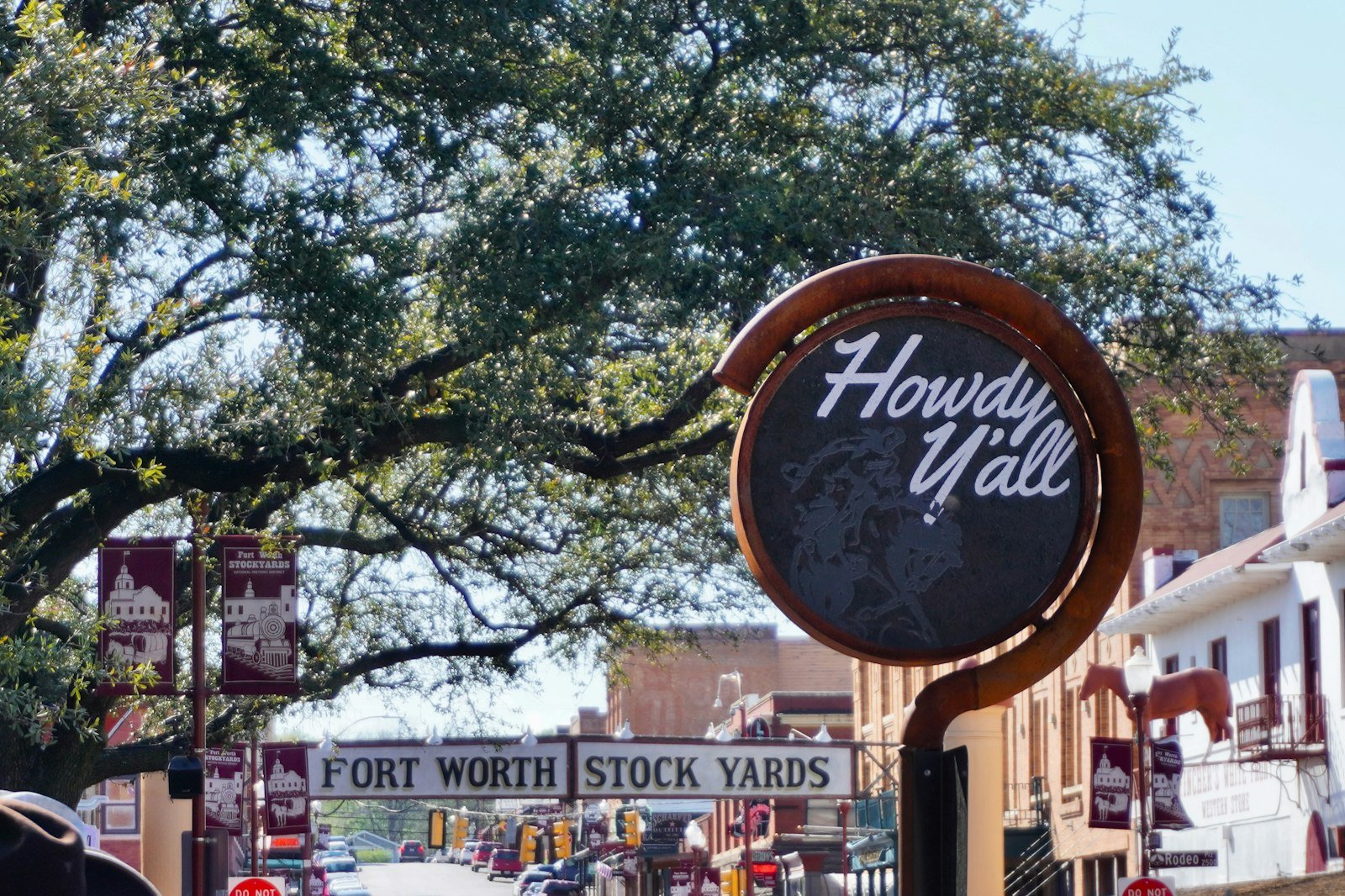
People ask us whether they should look in Fort Worth. The honest answer is that the question is a little too big. Fort Worth is less one market than a collection of them sharing a city limit sign. A porch-lined street near downtown and a brand-new subdivision on the north side carry the same city name and almost nothing else in common.
A more useful question is which part of Fort Worth fits how you want to live. Below is what the current listings show, how the areas differ, and what to expect on either side of the deal.
What the Fort Worth listings show right now
As of November 10, 2026, the NTREIS MLS shows 3,670 active listings with a Fort Worth address. Another 960 are under contract, and 307 new listings came on in the last seven days. These are asking prices, not closed sales, so read them as what sellers hope for rather than what buyers agreed to pay.
- Median asking price: $350,000
- Median asking price per square foot: $179
- Median size of homes for sale: 1,988 square feet
- Median days on market so far: 49 days
That last figure deserves a footnote. It measures how long the homes still for sale have been sitting, not how fast homes sold. The listings that went quickly are, by definition, no longer in the count. It says more about the patience of the current inventory than about speed.
The spread of asking prices is where Fort Worth gets interesting:
- Under $300K: 1,124 homes (31% of active listings)
- $300K to $400K: 1,253 homes (34% of active listings)
- $400K to $500K: 560 homes (15% of active listings)
- $500K to $750K: 462 homes (13% of active listings)
- $750K to $1M: 126 homes (3% of active listings)
- $1M and up: 145 homes (4% of active listings)
Most of what is for sale sits in the first two bands, yet there are still 145 homes asking $1M and up. Few cities let a first-time buyer and an estate shopper run the same search and both come away with real options. For numbers that update daily, see our live Fort Worth market report.
How the neighborhoods differ
The price range reflects a housing range. One city search can turn up early-century bungalows, mid-century ranch houses, and new construction still waiting on its first lawn. A few areas show the contrast well:
- Fairmount: historic homes with front porches near downtown, with walkable access to restaurants and the culture the city is known for.
- Tanglewood, Westcliff, and Westover Hills: established west side neighborhoods with mature trees, where setting, lot size, and the home itself tend to drive the conversation.
- North Fort Worth: growth corridors where newer subdivisions make up much of the selection and freeway access is often the selling point.
- Near downtown: older pockets close to Sundance Square and the Cultural District.
Around all of that sit the places that give the city its personality: the Stockyards, the Cultural District, Sundance Square, Clearfork, and a west side restaurant scene that locals defend with some conviction. Fort Worth keeps growing without feeling assembled from a kit, which is harder to pull off than it sounds.
Our Fort Worth neighborhood guide walks through these areas in more detail, including how the character changes from one side of town to another.
What to expect when buying in Fort Worth
Check the address details before you fall for the house. Many school districts serve parts of Fort Worth, Fort Worth ISD among them, and the boundaries do not always follow the lines you would guess. Confirm which district a specific address falls in before you get attached to the kitchen.
Ask about the tax picture early. Combined property tax rates vary across the city depending on the school district, the county, and whether a home sits inside a special district such as a municipal utility district or public improvement district. Two similar homes a few miles apart can carry noticeably different tax bills. Confirm exact rates and any exemptions with the appraisal district or your title company before you build a budget around a monthly payment.
Compare new and existing homes on equal terms. New construction is a meaningful part of the selection, especially on the north side. Builder pricing, incentives, and contracts work differently from a resale purchase, and the friendly person in the model home works for the builder. Our guide to buying new construction covers what to ask.
Treat days on market as a clue, not a verdict. A home listed well past 49 days may have a seller who is more open to a conversation. Or it may have a reason. A good look at the property and its history usually tells you which.
What to expect when selling in Fort Worth
The citywide median is a starting point, not a price for your house. Resale results in Fort Worth can vary sharply by school zone, location, and property type, so the comparable sales that matter are the ones near you that match what you actually own.
Your competition depends on your price band. In a crowded range, buyers are comparing your home against plenty of alternatives at the same time, and condition, presentation, and pricing do most of the work. In the thinner upper ranges, buyers are fewer and more particular, and some patience belongs in the plan from the start.
If your home is near active building, you are also competing with builders who may offer incentives a resale seller cannot easily match. Knowing what is going up nearby helps you set realistic expectations and decide where your home has the advantage, whether that is mature trees, an established street, or simply being finished.
When you want a grounded starting point, you can request a home value from one of our agents, built on the sales that actually compare to yours. And if you are still deciding which corner of Fort Worth to call home, we are happy to talk it through before you tour a single house.